
How to Improve Sperm Motility and Count: A Science-Backed Guide for 2026


Did you know that male factor issues are a primary or contributing cause in approximately 50% of all infertile couples? If you've recently looked at a semen analysis report and felt overwhelmed by terms like "progressive motility" or "concentration," you aren't alone. It's completely natural to feel a lack of control when your path to parenthood seems stalled by data points and medical jargon. However, understanding how to improve sperm motility and count is the first step toward reclaiming your confidence and taking charge of your reproductive health.
We understand that you want clear, actionable answers rather than vague advice. The biology of male fertility is actually quite dynamic; it takes about 90 days for sperm to be produced and fully mature. This 90-day biological "reset" means the choices you make today can directly impact your results three months from now. In this guide, we'll explore the latest WHO standards and provide a science-backed roadmap for 2026. You'll discover how simple shifts in temperature management, specific micronutrients, and daily habits can optimize your semen analysis results and improve your chances of a successful natural conception.
Key Takeaways
- Understand the clinical differences between sperm count and motility to better interpret your semen analysis results.
- Identify critical environmental factors, such as thermoregulation and lifestyle habits, that directly impact sperm DNA health.
- Learn which specific antioxidants and micronutrients provide the nutritional foundation for how to improve sperm motility and count.
- Map out the 90-day sperm life cycle to establish a realistic timeline for tracking your progress and seeing measurable changes.
- Gain clarity on when to seek a fertility specialist and how to coordinate your health improvements with your partner's cycle.
Understanding Sperm Health: Count vs. Motility
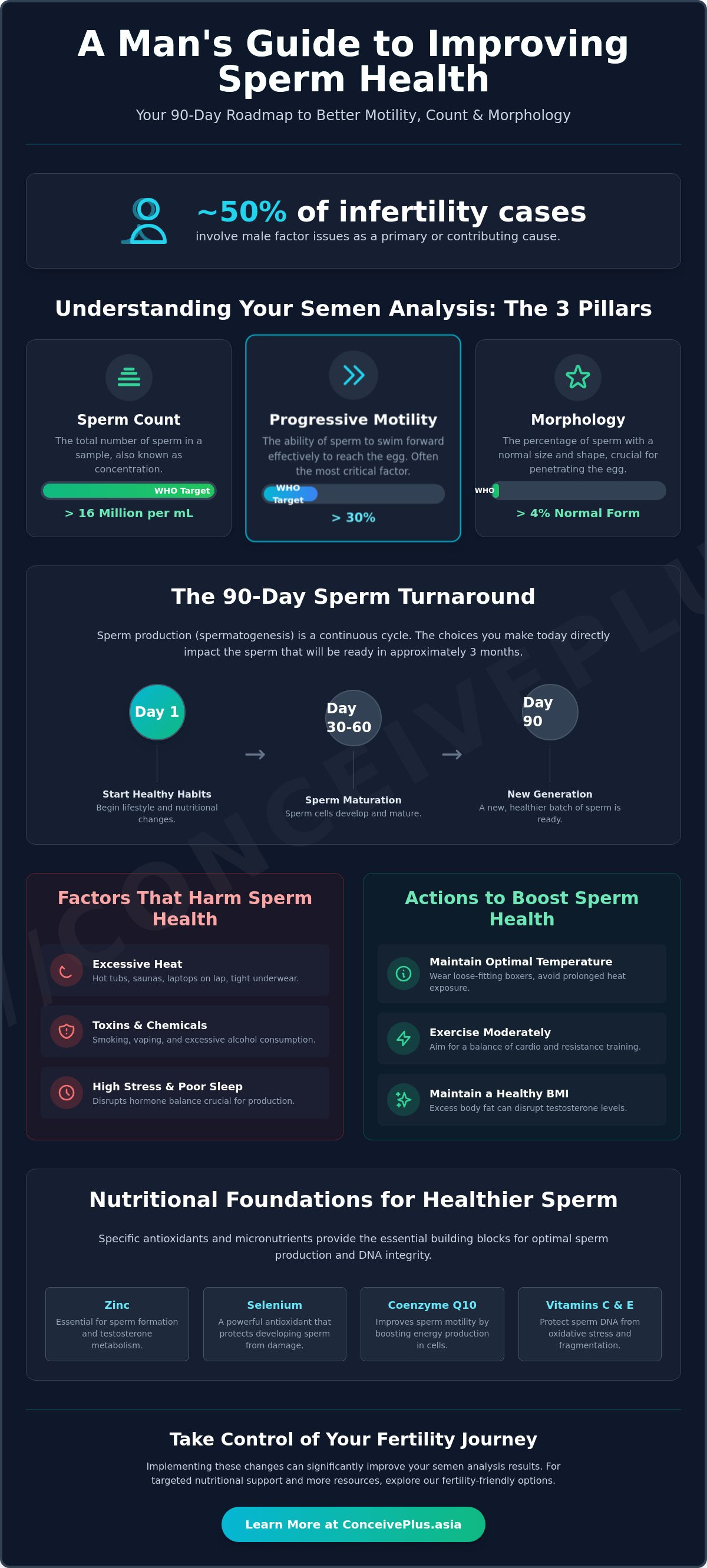
When couples start investigating fertility, the focus often lands on the numbers. Sperm count, also known as concentration, refers to the total number of sperm present in a milliliter of semen. According to the latest World Health Organization (WHO) standards for 2026, the clinical threshold for a healthy concentration is 16 million sperm per milliliter. While a high count is a great starting point, it only tells part of the story. Semen quality is a multi-faceted metric that includes how those sperm move and what they look like.
If you're looking for how to improve sperm motility and count, it's vital to recognize that quantity doesn't guarantee success. Motility describes the "swimming" ability of the sperm. Without the strength to navigate the female reproductive tract, even a high concentration of sperm won't reach the egg. Morphology, or the physical shape of the sperm, also plays a role. Ideally, at least 4% of sperm should have a standard shape to successfully penetrate the egg's outer layer. If any one of these three pillars is weak, it can significantly lower the chances of natural conception.
To better understand these concepts and how they impact your fertility journey, watch this helpful video:
Why Motility Matters More Than You Think
The journey from the cervix to the fallopian tubes is an Olympic-level feat for a microscopic cell; only the strongest swimmers survive this harsh environment. This is why motility is often considered the most critical factor in semen analysis. Your lab report likely distinguishes between progressive motility and non-progressive motility. Progressive motility refers to sperm swimming in straight lines or large circles. Non-progressive motility describes sperm that move but don't gain ground. For natural conception, the WHO suggests a progressive motility of at least 30%. Even if your count is well above 16 million, low progressive motility means the sperm may never reach their destination.
Common Causes of Low Sperm Metrics
Several factors can depress your numbers. Medical issues like varicoceles, which are enlarged veins in the scrotum, or undiagnosed infections are common culprits. Environmental stressors also play a massive role. Overexposure to heat from laptops, hot tubs, or tight clothing can negatively impact developing sperm. Additionally, high stress levels and poor sleep can disrupt the hormonal balance needed for testosterone production. Understanding these triggers is essential when learning how to improve sperm motility and count through lifestyle adjustments.
Lifestyle Changes to Boost Sperm Production
Sperm are incredibly sensitive to their environment. While genetics play a part, your daily habits dictate the quality of the "factory" conditions. For many men, the first step in learning how to improve sperm motility and count is addressing heat. The testes are positioned outside the body because they require a temperature roughly 2 to 3 degrees Celsius lower than your core. If this delicate balance is disrupted by hot tubs, saunas, or even tight-fitting briefs, sperm production can stall or produce lower-quality cells. Maintaining healthy sperm requires consistent environmental awareness.
Chemical exposures also play a significant role. Smoking and vaping introduce toxins that lead to oxidative stress and DNA fragmentation. This doesn't just lower the count; it damages the genetic material the sperm carries. Similarly, while a celebratory drink is fine, chronic alcohol consumption can suppress testosterone levels and increase estrogen, throwing the endocrine system out of alignment. These changes can be reversed over time, but they require a commitment to clearing toxins from your system.
Physical activity is another pillar of fertility, but it follows a "Goldilocks" rule. A sedentary lifestyle is linked to lower sperm concentration, yet extreme endurance training can also suppress testosterone. Aim for moderate resistance training and cardiovascular exercise. This balance helps maintain a healthy Body Mass Index (BMI), which is vital since excess body fat can convert testosterone into estrogen. If you're looking for ways to support this lifestyle shift, consider exploring fertility-friendly support options that complement these healthy habits.
Managing Scrotal Temperature
Modern life is often too warm for optimal fertility. Laptops generate significant heat directly where it shouldn't be. Working in an office or driving long distances means you're likely trapping heat for hours. Switch to loose-fitting boxers and take regular breaks by standing up and moving around. These small adjustments are foundational when figuring out how to improve sperm motility and count in a high-tech world.
The Sleep-Fertility Connection
Your body produces the majority of its testosterone during deep sleep. Disruptions to your circadian rhythm, such as late-night blue light exposure or irregular shift work, can blunt this peak. Sleep apnea is particularly concerning, as it's been linked to lower testosterone and reduced semen quality. Aim for 7 to 9 hours of quality rest. You can find more tips on optimizing your reproductive health on our fertility blog. Establishing a consistent sleep routine helps regulate the hormones necessary for healthy sperm maturation.
Nutritional Foundations for Healthier Sperm
Diet is often the most controllable factor when men research how to improve sperm motility and count. While lifestyle changes like cooling the testes provide the right environment, nutrition provides the raw materials. Sperm cells are particularly vulnerable to oxidative stress, a process where unstable molecules damage the cell membrane. Antioxidants like Vitamin C and E act as a biological shield, neutralizing these molecules before they can harm the developing sperm. Understanding what constitutes healthy sperm involves looking at how these micronutrients protect DNA integrity and cell structure.
Specific minerals play specialized roles in the "factory" of the testes. Zinc is essential for testosterone production and sperm maturation; even a mild deficiency can lead to lower concentrations. Selenium is another heavyweight, as it's directly linked to sperm motility. To fuel the actual "swimming" motion, the body relies on amino acids like L-Carnitine. This nutrient helps transport fatty acids into the sperm's mitochondria, providing the energy required for progressive movement. Don't overlook hydration either. Since semen is primarily water, staying hydrated is a simple way to maintain the 1.5 ml volume threshold set by the WHO.
The Best Foods for Male Fertility
Building a fertility-friendly plate doesn't have to be complicated. Focus on these three categories to maximize your intake of essential nutrients:
- Leafy Greens: Spinach and kale are rich in folate, which is a critical building block for DNA synthesis and helps prevent chromosomal abnormalities.
- Fatty Fish: Salmon and sardines provide Omega-3 fatty acids. These healthy fats improve the fluidity of the sperm's outer membrane, which is necessary for the sperm to successfully fuse with an egg.
- Walnuts and Seeds: These are excellent sources of Vitamin E and zinc. A small handful daily can provide a concentrated dose of the antioxidants needed to fight oxidative stress.
Strategic Supplementation
Sometimes, diet alone isn't enough to reach the therapeutic levels of micronutrients found in clinical studies. This is where targeted fertility bundles can bridge the gap. When choosing a supplement, look for products that combine zinc, selenium, and L-carnitine in a single formula. These combinations are designed to support the entire 90-day sperm life cycle, ensuring that every new batch of sperm has the best possible start. If you're consistently hitting your nutritional goals but not seeing changes in your semen analysis, it's worth checking our customer reviews to see how others have successfully integrated supplementation into their routine. Supporting healthy testosterone levels naturally through nutrition is a marathon, not a sprint, but the cumulative effect on your fertility can be profound.
The 90-Day Sperm Turnaround: Why Patience is Key
One of the most common mistakes men make when researching how to improve sperm motility and count is expecting overnight results. Biology simply doesn't move that fast. Sperm production is a continuous but slow process. Think of it like a manufacturing assembly line that takes months to complete a single product. If you start a new supplement regimen or quit smoking today, you won't see the full impact on your semen analysis for at least 90 days. This lag time is why patience and consistency are your most valuable tools on this journey.
The total cycle, known as spermatogenesis, takes approximately 74 days from the initial germ cell stage to becoming a fully formed sperm cell. However, the process doesn't end there. After they are "built," sperm move to the epididymis. This is a coiled tube where they spend another two weeks maturing and gaining the ability to swim. This is where they develop their progressive motility. Because this cycle is so rigid, a single high fever or a period of intense stress can damage an entire batch, potentially causing a temporary dip in your numbers three months later. If you want to ensure your next batch is as healthy as possible, start your 90-day support plan today.
The Biology of Spermatogenesis
The journey from a germ cell to a mature swimmer is a complex, 74-day transformation. During this time, the cells are highly sensitive to oxidative stress and temperature changes. Once the initial production is complete, sperm require an additional 14 days in the epididymis to finalize their development. This final stage is critical for motility; it's where they learn to move in a coordinated, forward fashion. Understanding this timeline helps you realize that your current fertility status is actually a reflection of your health and habits from three months ago.
Tracking Your Progress
Since the sperm life cycle is roughly three months, scheduling a follow-up semen analysis any earlier is often a waste of time. Use this 90-day window to maintain a lifestyle journal. Documenting your sleep, exercise, and nutritional intake can help you correlate positive habits with future results. Don't just focus on the lab report, though. Many men report "small wins" long before their next test, such as increased morning energy or a noticeable boost in libido. These are signs that your hormonal environment is shifting in the right direction as you learn how to improve sperm motility and count. For more stories on what to expect during this turnaround, check out our customer reviews to see how other men stayed motivated.
Taking Action: Next Steps for You and Your Partner
Improving fertility is a marathon, but sometimes you need an expert coach to cross the finish line. If you've been focused on how to improve sperm motility and count for over 90 days with no measurable change, it might be time to consult a fertility specialist. This is especially true if you've been trying to conceive for over a year, or six months if your partner is over 35. Clinical issues like varicoceles or specific hormonal imbalances often require medical intervention that lifestyle shifts alone cannot resolve. Seeking professional help isn't a sign of failure; it's a proactive step toward your goal.
This journey shouldn't be a solo effort. Fertility challenges can be taxing on a relationship, so open communication is vital. Discussing the stress of semen analysis results or the pressure of "timed" intimacy helps keep you and your partner on the same team. Shared goals make the lifestyle changes feel less like a chore and more like a mutual investment in your future family.
Aligning with Your Partner's Cycle
Timing is the bridge between high-quality sperm and a successful pregnancy. Using an ovulation calculator helps you identify the peak fertile window, ensuring your efforts aren't wasted. Many couples mistakenly believe daily intimacy is the best path, but the "every 2 to 3 days" rule is often more effective. This frequency balances sperm freshness with a high concentration of cells. You can support your partner's journey by staying consistent with your own health improvements while she tracks her cycle, creating a synchronized approach to conception.
Choosing the Right Support
Navigating the sea of fertility products can be confusing. Evaluating fertility support bundles can simplify your routine by providing a comprehensive mix of the antioxidants and minerals discussed in this guide. Before starting any new regimen, reading real success stories and reviews from other couples can provide both perspective and hope. To stay ahead of new developments in reproductive science, staying informed through the Conceive Plus blog ensures you're always using the most current, science-backed strategies for how to improve sperm motility and count.
Your Fertility-Optimized Checklist:
- Switch to loose-fitting boxers to maintain optimal scrotal temperature.
- Commit to a 90-day window of high-antioxidant nutrition and targeted supplementation.
- Prioritize 7 to 9 hours of sleep to keep testosterone production at its peak.
- Eliminate smoking, vaping, and excessive alcohol to protect sperm DNA.
- Coordinate with your partner's fertile window for the best chances of success.
Take Charge of Your Fertility Journey
You now have the science-backed tools to transform your reproductive health. By prioritizing temperature regulation, consistent sleep, and targeted antioxidants, you're actively supporting the delicate 90-day cycle of sperm maturation. Learning how to improve sperm motility and count isn't just about a single lab test; it's a proactive commitment to your future family that requires both patience and the right nutritional foundation. Small, consistent changes in your daily routine can lead to significant shifts in your semen analysis results over time.
Our solutions are scientifically formulated for reproductive health and have been used by millions of couples worldwide. With positive results reported in independent reviews, we're dedicated to helping you achieve your goals. Explore our Fertility Support Bundles to optimize your 90-day journey and provide the essential micronutrients your body needs during this critical turnaround period.
Every healthy choice you make today is an investment in your success three months from now. Stay focused on your goals, support your partner, and remain encouraged as you take these vital steps toward a successful natural conception.
Frequently Asked Questions
How long does it take to improve sperm motility and count?
It takes approximately 90 days to see measurable results because of the biological sperm production cycle. Spermatogenesis lasts about 74 days, followed by a two-week maturation phase in the epididymis. Any lifestyle changes or nutritional adjustments you make today won't appear on a semen analysis until this new batch of sperm is fully developed. Consistency is vital during this three-month window to see a real difference in your results.
Can certain vitamins really help with low sperm count?
Yes, specific micronutrients are scientifically proven to support sperm production and overall health. Zinc is essential for maintaining healthy testosterone levels, while antioxidants like Vitamin C protect cells from oxidative damage. If you're looking for how to improve sperm motility and count, look for supplements containing L-carnitine. This amino acid provides the necessary energy for sperm to swim effectively toward the egg, which is a critical requirement for natural fertilization.
Does wearing tight underwear actually affect my fertility?
Wearing tight underwear can negatively impact fertility by increasing the temperature of the scrotum. The testes must remain 2 to 3 degrees Celsius cooler than the rest of the body to produce healthy sperm. Briefs or tight athletic gear trap heat against the body, which can stall production or damage developing cells. Switching to loose-fitting boxers or taking regular breaks from sitting can help maintain the ideal environment for sperm survival.
Is it possible to get pregnant naturally with low sperm motility?
Natural conception is possible with low motility, but the odds are significantly lower than with normal parameters. Since sperm must swim through the cervix and into the fallopian tubes, "weak swimmers" often fail to reach the egg. If your progressive motility is below the WHO 30% threshold, it may take longer to conceive. Focus on lifestyle shifts and targeted nutrition to strengthen the motility of your next 90-day batch of sperm.
How often should we have sex to improve our chances of conception?
Having sex every two to three days is the most effective way to maximize your chances of conception. This frequency ensures there's always a fresh supply of mature sperm waiting in the female reproductive tract during the fertile window. Daily ejaculation can sometimes lead to a temporary drop in sperm concentration for some men. Conversely, waiting too long can result in older sperm with higher rates of DNA fragmentation and lower vitality.
What is the most common cause of sudden drops in sperm count?
A high fever or a recent illness is often the most common cause of a sudden, temporary drop in sperm count. Because sperm are extremely sensitive to heat, a spike in body temperature can damage an entire developing batch. Other triggers include extreme emotional stress or sudden exposure to environmental toxins or heavy metals. Since the sperm cycle is long, you may not notice the drop until several weeks after the actual event occurred.
Does stress have a direct impact on sperm quality?
High levels of psychological stress have a direct, negative impact on sperm quality and testosterone production. When the body is under stress, it releases cortisol, which can suppress the hormones needed to stimulate sperm manufacturing. Stress also increases oxidative damage within the testes, which harms cell membranes. Managing your mental health through exercise or better sleep is a practical step for anyone learning how to improve sperm motility and count effectively.
Can age affect a man's sperm motility and count?
A man's sperm quality generally begins to decline after age 40 or 45, though the change is more gradual than the fertility decline in women. As men age, sperm concentration, motility, and the percentage of normally shaped sperm tend to decrease. There is also a higher risk of DNA fragmentation in older men. While men can remain fertile late into life, optimizing lifestyle factors becomes even more critical as the years pass to maintain health.


